
CPA Firms Houston Alternative keeps the books

You came looking for CPA firms in Houston. Here is the alternative. The books close every month, payroll is set up on a provider you run, and a return matches those months, with one person who answers the phone. Steven Palmieri picks up that phone, and the seat is called Tax CFO. The practice sits in Dallas, and an owner in Houston joins that close on video.
Request the books
What a Tax CFO does that a firm does not.
A firm takes the file in February and tells you in April what the year cost. The Tax CFO closes each month as it ends and reads the October number while the year can still move. Owner pay, an election, a purchase, and a payment can still change. We tie that open month to the bank before anyone opens a return. The filing follows that close.

The month the bank can agree with
We would rather close September in October than rebuild it from memory in March. Every deposit gets its category while the month is still warm.
Click to see the books ›Tap to see the books ›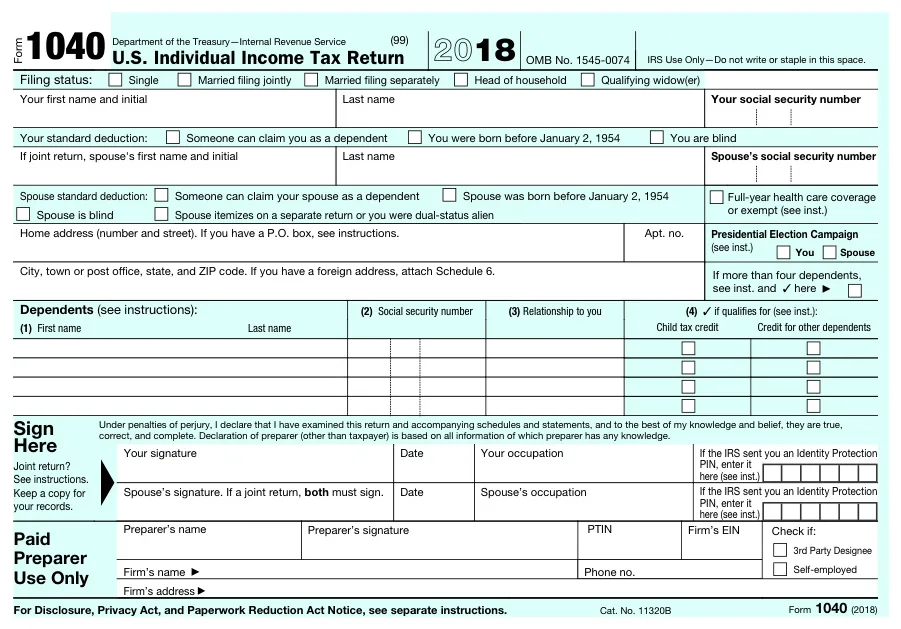
A return that matches those months
By the time you sign, the return already agrees with the bank. Nothing on it is a guess.
Click to see the return ›Tap to see the return ›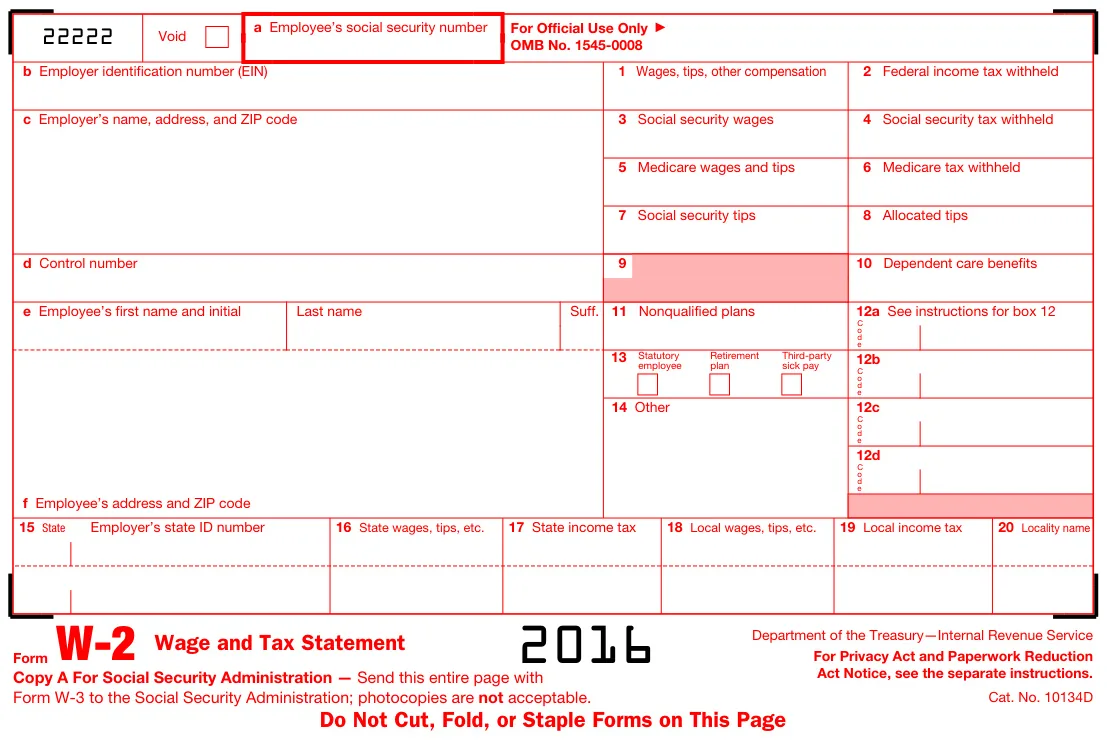
Payroll setup before payday
Payroll runs on your provider, set up on the company that writes the checks, before the first payday, not after the first notice.
Click to see payday setup ›Tap to see payday setup ›
The sales tax rows
A sale in Houston carries the state row, the city row and the METRO row. We separate those rows on the same day the deposit reaches the bank.
Click to see the rows ›Tap to see the rows ›Questions before the year ends
Bring the question in your own words. We will say what the closed months can support.
Click to ask a question ›Tap to ask a question ›Who answers the phone
Steven Palmieri is the person who answers. Buffalo Bayou runs past the towers downtown. We are all Texans. We still want your September tied to the bank before October is over.
Click to see who answers ›Tap to see who answers ›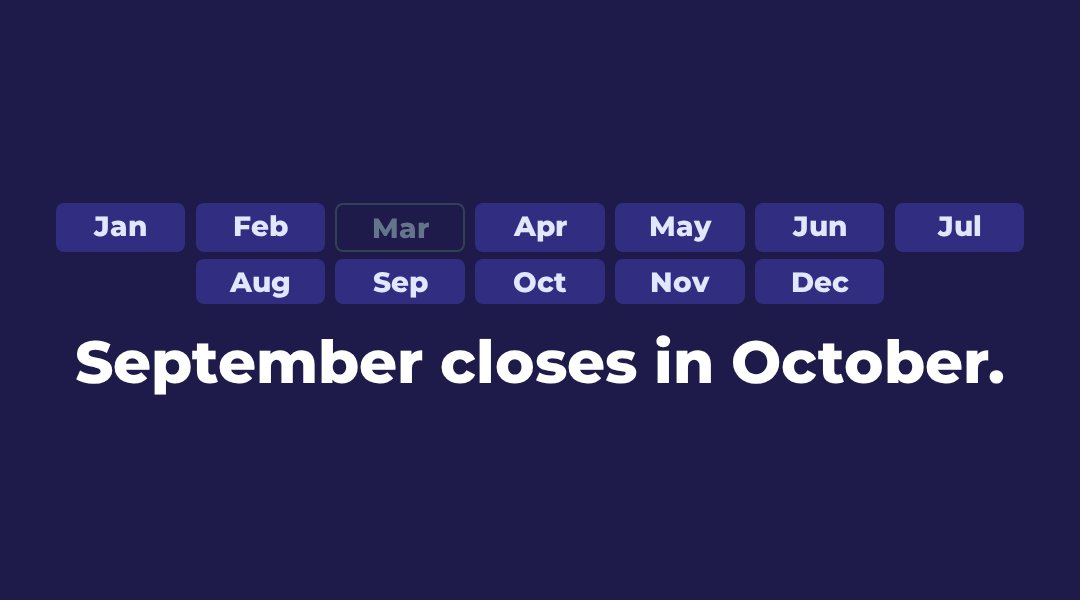
Six months that still move the year
Open one month. The filing sits beside the books.
1January
The first estimate of the new year sits beside the December close, and we want those books finished before the figure goes out.
We prepare the estimate from the closed months. You approve the amount.
2March
Many returns are due while the winter months should already match the bank.
We prepare the return from those months. You sign what you agree with.
3April
An April date still needs closed months under it, even when the filing moved.
We keep closing the months and file the extension only when you ask.
4June
The midyear estimate is only as real as the spring reconciliations underneath it.
We tie spring to the bank. You see the estimate before it leaves.
5September
Equipment timing and retirement contributions can still change the year while this estimate is open.
We set the choices next to the open months. You decide which ones to make.
6October
Vendor bills and the last estimate still belong in the open month, and the year can still move.
We name what is still open. You pick what to finish before December.
Steven Palmieri, the Tax CFO
Steven Palmieri keeps this practice. Tax CFO is the role. The Entrepreneur's CFO is the other name for that same role. Closing the month, writing the statements, and preparing the return are the same engagement here.
Click to meet Steven ›Tap to meet Steven ›Tell us the month
Name the last month the bank agreed with.
You will be talking to the Steven Palmieri practice.
What the first month looks like
We close the month, set payroll up for you to run, and prepare that return. You meet Steven Palmieri on the first call. The first call names the month and the person who will close it. Tax CFO is the role printed on this practice, and the Entrepreneur's CFO is the title owners already use for the same work.
The first month we touch is usually the one that is still open, or the oldest one that never got a reconciliation. We ask for the bank files, the card files, and a note about anything you already know is odd. A month that does not tie stays open, and we say which number is missing.
You will see the uncleared items listed in ordinary words. A deposit that has no category stays on that list until you tell us what it was. A transfer between your own accounts is marked as a transfer so it is not counted twice as income.
When that month ties, we move to the next one. Catch up work is the same motion repeated, not a different product with a different name. The statements come from the months that tie, and the return comes after those statements exist.
What the price depends on
The fee follows the work. A company with one bank account and a year that is already current is a smaller job than three entities, a year of unreconciled cards, and payroll that has never been set up. We say which of those we see before we quote.
Monthly work after the catch up is quoted as a month, with the close, the reconciliations, and the statements named in the letter. A return is quoted on its own when you want it in the same practice. Extra entities, a sales tax filing, or a lender package are quoted before we start them.
We do not print a price on this page because the honest number depends on the month you actually have. The form asks for a revenue band and the last closed month so the first call is not a blank guess.
Close September while October is still open
Unreconciled months are the pile we open first. We rebuild them from the bank forward until the old year can support a return, or until we can see that a prior preparer already has a year we should not reopen without a reason.
This month, the one still open on the desk, is where deposits, bills, and payroll setup belong while you can still remember them. We would rather close September in October than explain September from memory in March.
The year ahead is the estimates, the equipment timing, and the retirement contributions that can still change the result. We put those choices next to the open months. You decide. We record the decision in the books so the return is not a surprise.
There is no tower here
The name on this site describes the work you came for. It does not describe a building. There is no reception floor and no lobby behind this domain. The phone, the form, and the calendar are how the conversation starts.
Steven Palmieri carries both the Tax CFO title and the Entrepreneur's CFO title. Steven and his team keep the books, set up payroll for you to run, and prepare the return. A signed audit, review, or compilation is written once on the disclosures page, and this practice leaves that signature to a firm that is allowed to sign it.
If you want the month closed, the statements written, and the return prepared from those months, use the form. If you want a signed report a lender will only take from a firm that can sign it, we will say so on the first call and point you there.